CASE STUDY

PREVENTIVE FIRE SAFETY IN THE TECHNICAL ROOM

Initial situation
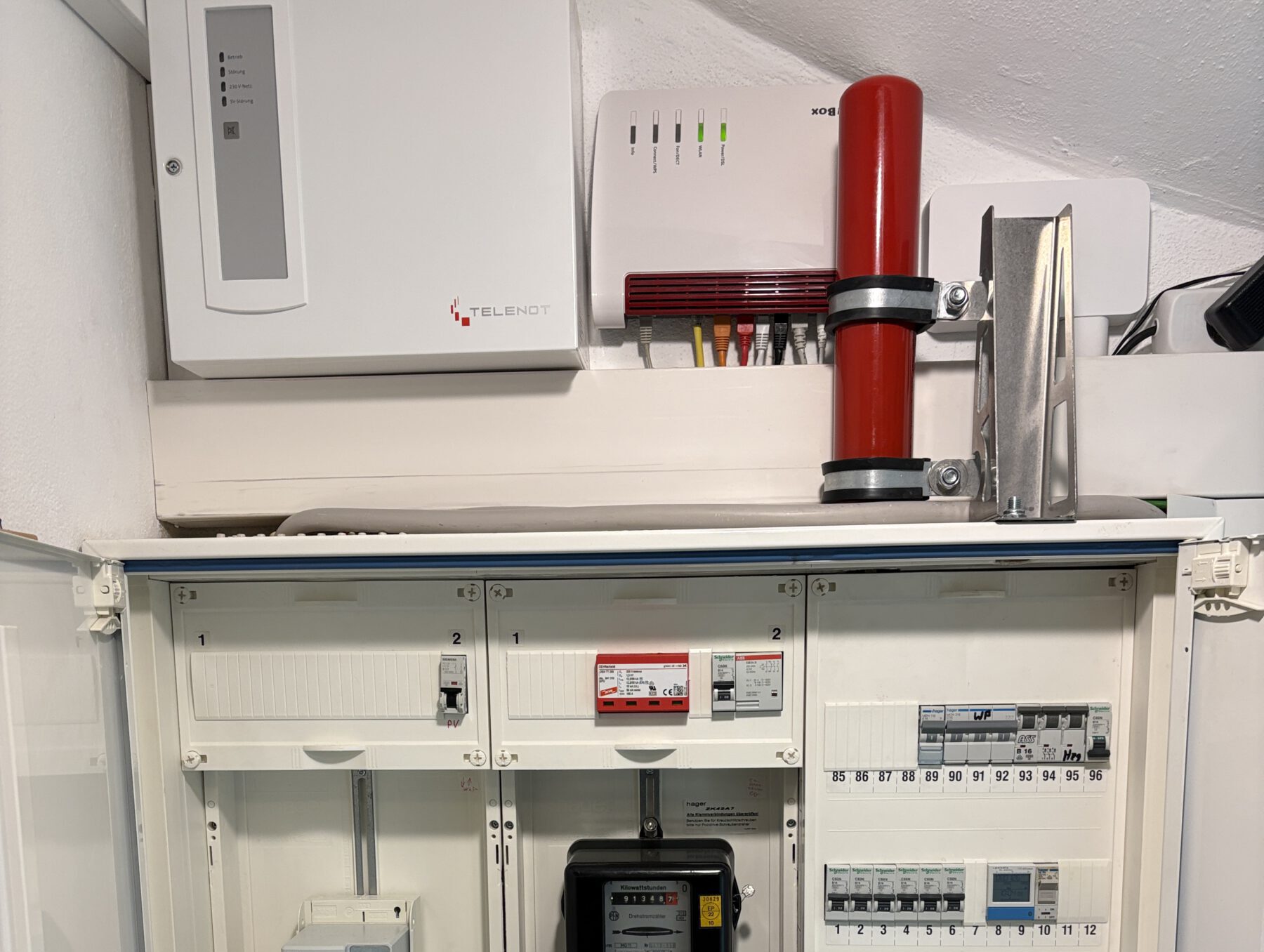
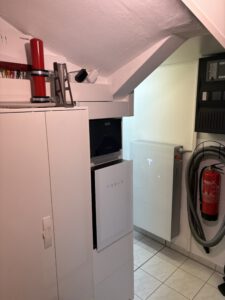
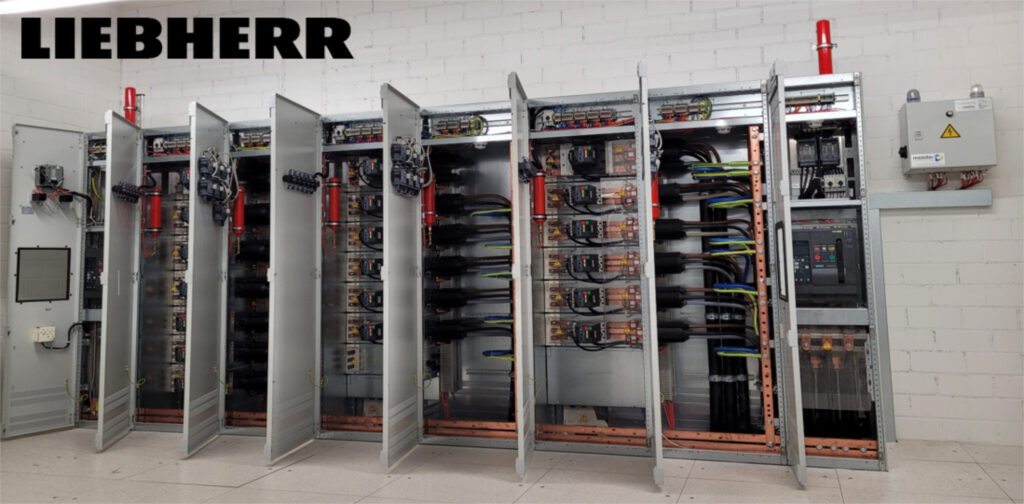
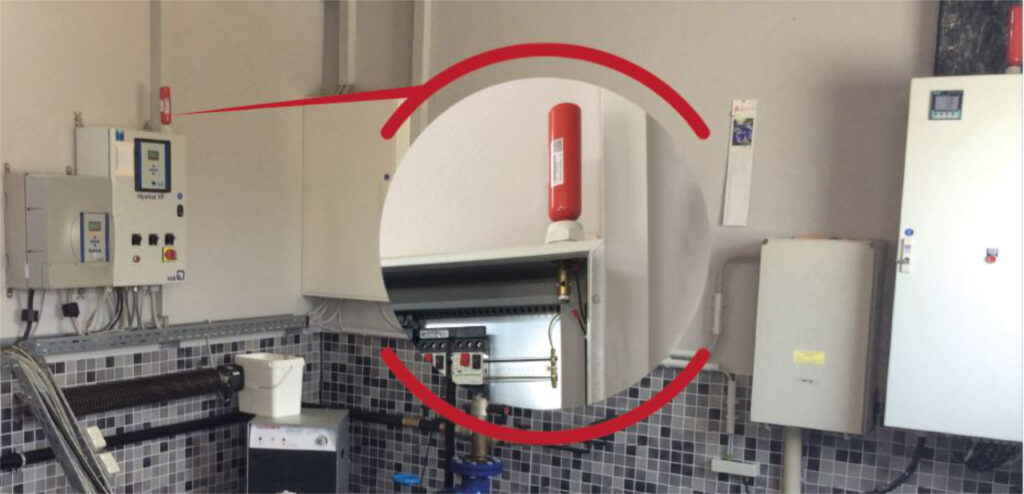
Several safety-critical components are installed together in a technical room: an electrical control panel, an emergency power distribution box, a lithium-ion battery with an emergency power function, and a heat pump. In addition, other technical installations such as gas or oil heating systems, as well as building services systems with penetrations (e.g. ventilation systems), may be present. The physical proximity of these systems requires special measures for preventive fire protection, particularly with regard to electrical faults and potential fire consequences.

Challenge
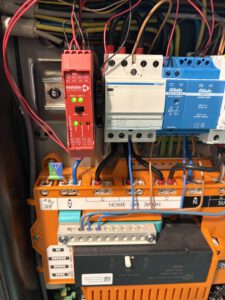
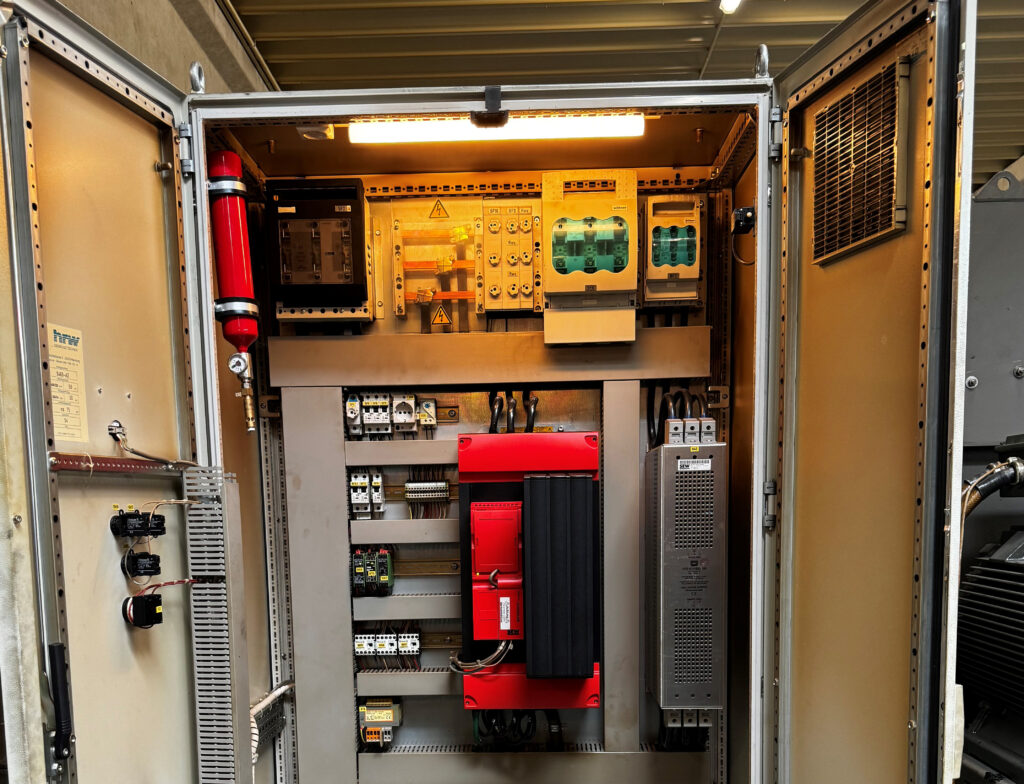
A fire in the electrical cabinet poses significant risks due to potential external effects on adjacent critical systems. The aim is to prevent the spread of fire or further intensification of the fire – particularly through battery storage systems or heat-generating systems. In the event of a fault, the lithium-ion battery must not be exposed to thermal stress, as this can lead to safety-critical reactions. At the same time, it has a self-sufficient emergency power function to supply the building or technical systems in the event of a mains failure. This function must be taken into account to prevent malfunctions or unintended backfeeding. The key requirement here is the mandatory power cut-off prior to extinguishing the electrical cabinet, as otherwise reignition may occur once the gas effect has dissipated. This cut-off logic must also reliably detect self-sufficient emergency power circuits from battery storage systems. The technical complexity is high, but manageable. The existing switching element enables a controlled power cut-off and reliably prevents further power supply to the point of failure, as well as the recurrence of fire after extinguishing.


Implementation
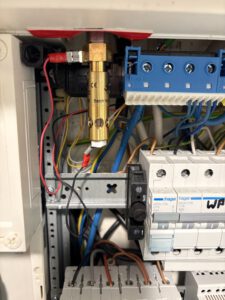
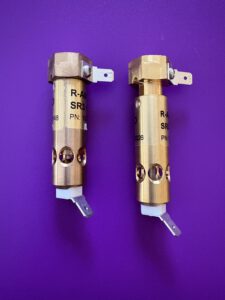
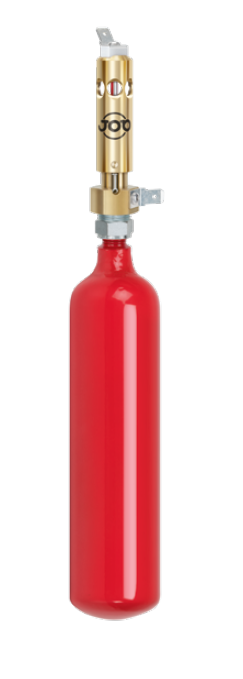
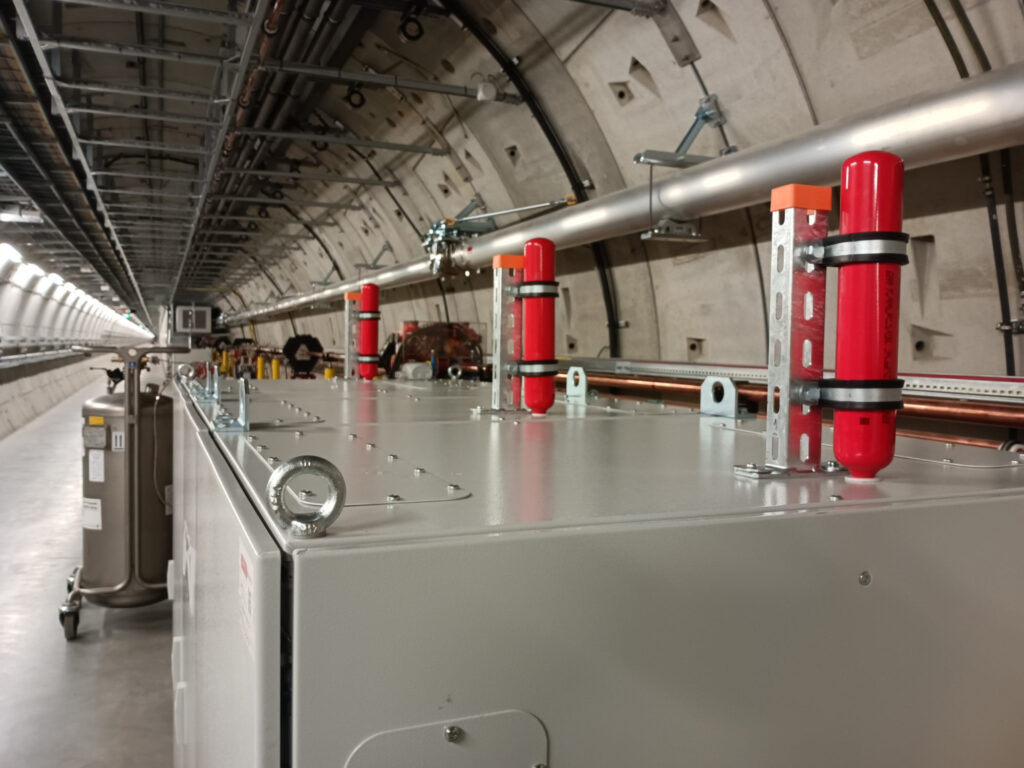
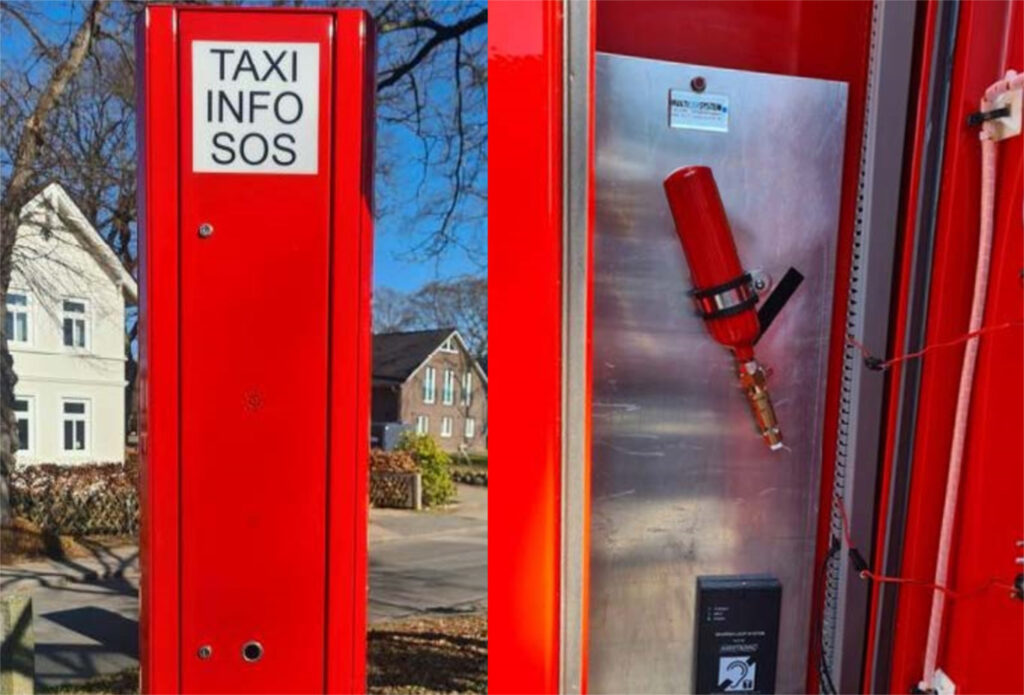
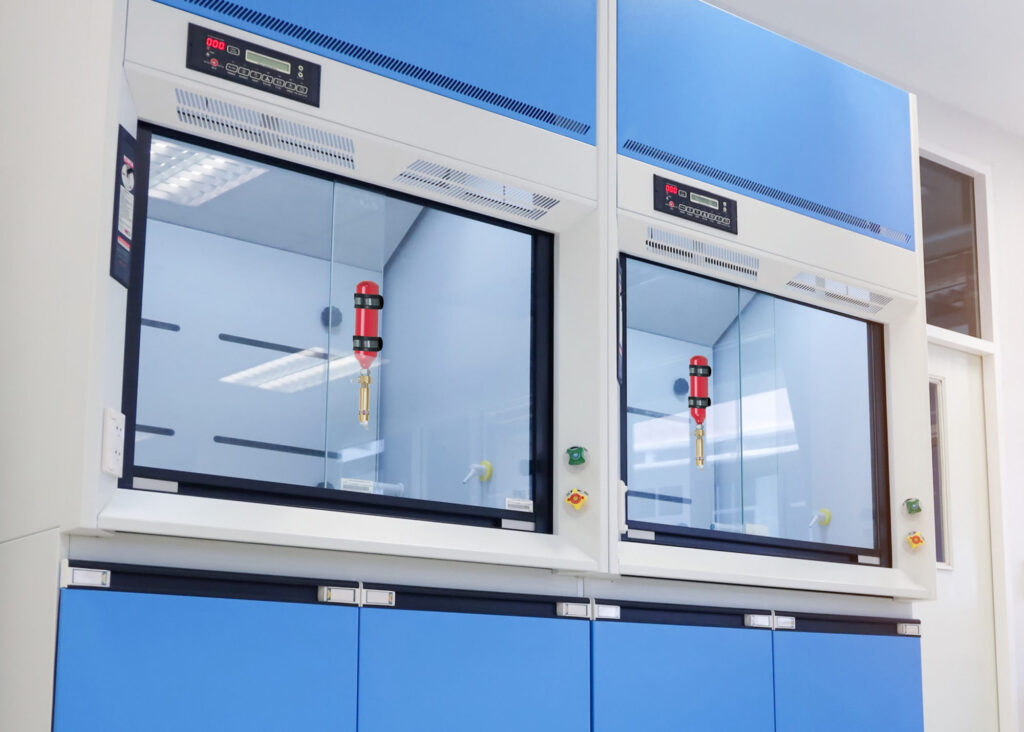
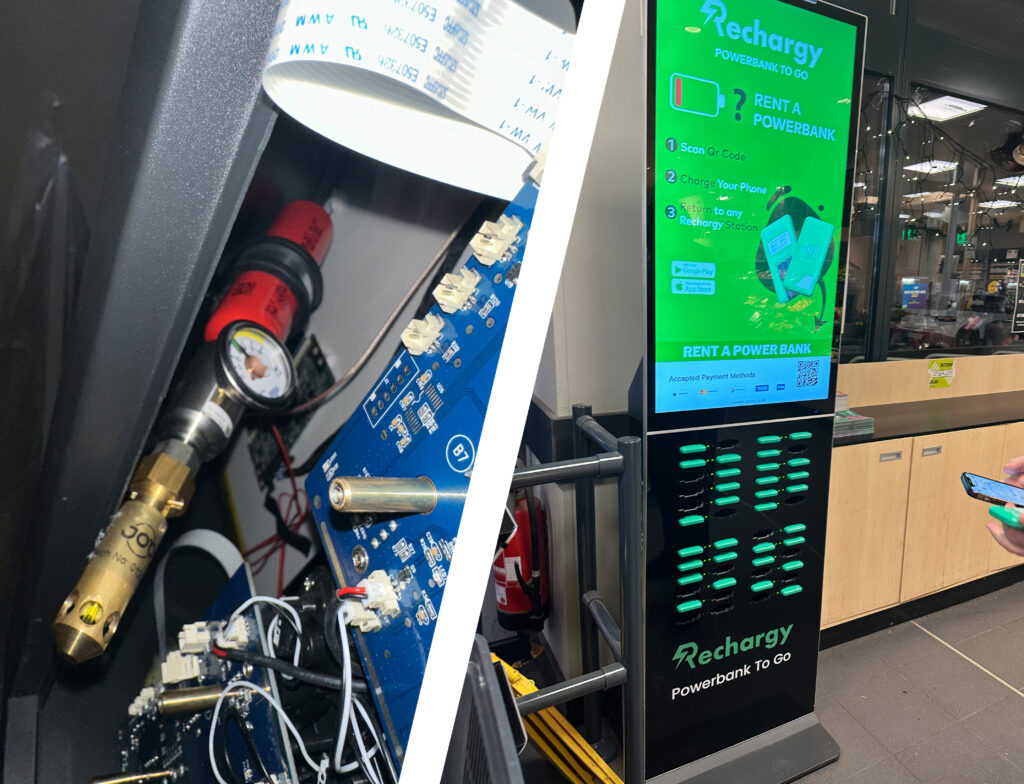
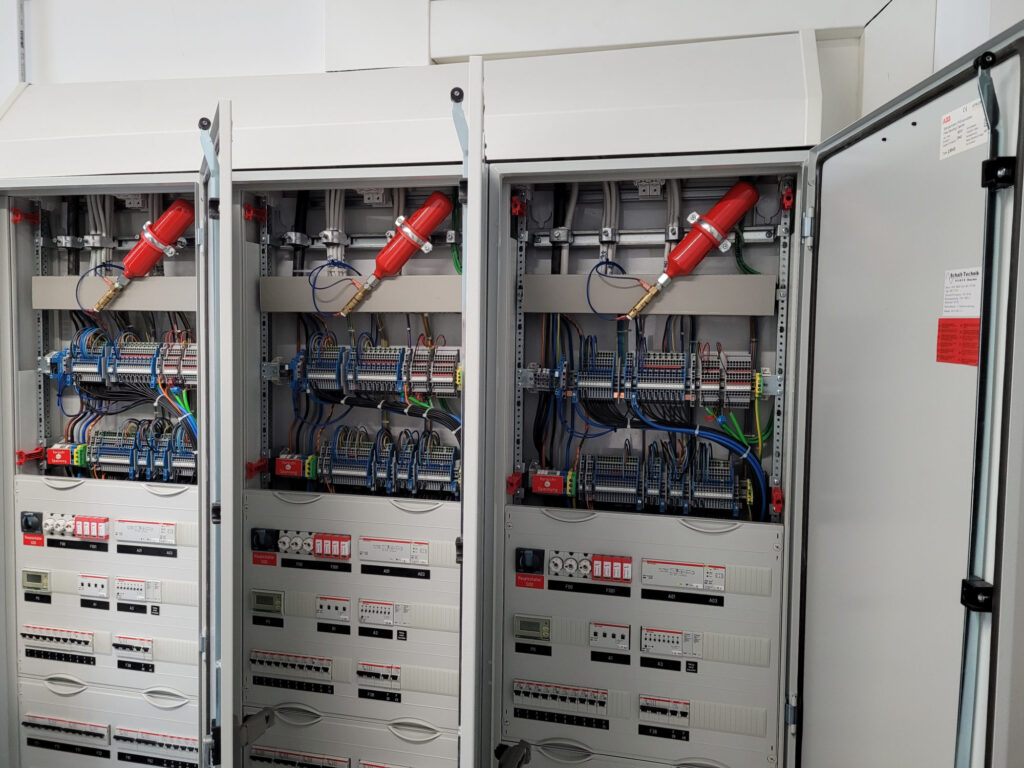
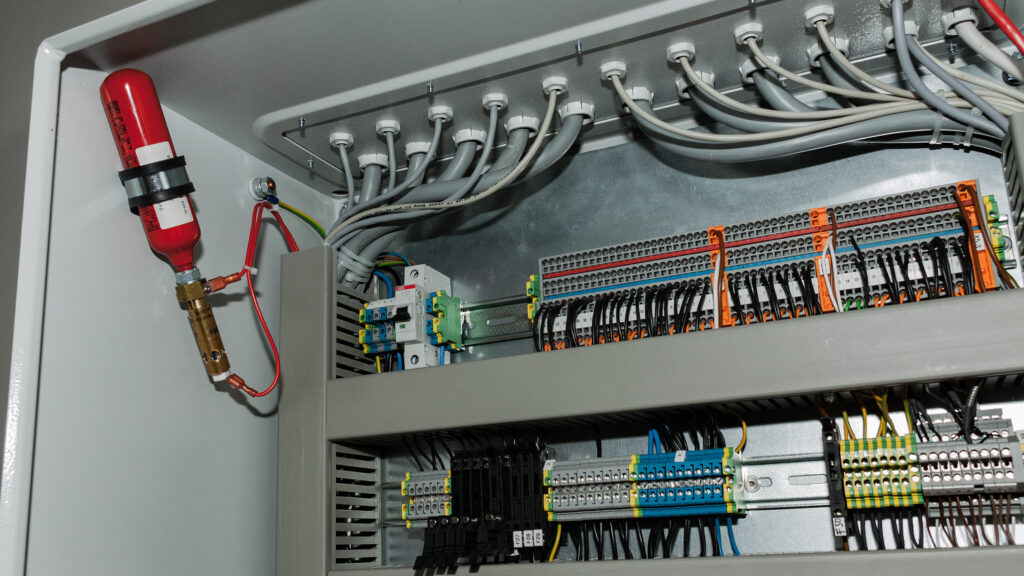
To minimise risk, an integrated fire extinguishing system, the R-AMFE units (temperature-activated at 57 °C or 68 °C) was installed, which is specifically designed for early fire detection and suppression within the electrical cabinet. The aim is to extinguish a fire in its infancy and prevent thermal spread to the room, or at least to confine it to the affected electrical cabinet. This reduces both potential damage to the building and personal injury and protects the technical systems to ensure the shortest possible downtime and high availability of the system technology.

AMFE System
Lithium-Ionen-Battery System

Results and benefit
The installed fire extinguishing system significantly reduces the risk of a electrical cabinet fire. At the same time, the lithium-ion battery is effectively protected against thermal stress. The defined disabling of the emergency power function in the event of a shutdown ensures additional operational safety and system clarity.

Market experience
According to Detlef Krug (Technosolar), a current challenge lies in communicating this technology to end customers in a way they can understand. There is often still a lack of sufficient risk awareness regarding potential damage scenarios. Through ongoing educational efforts and practical documentation, work is being done to strengthen this understanding.
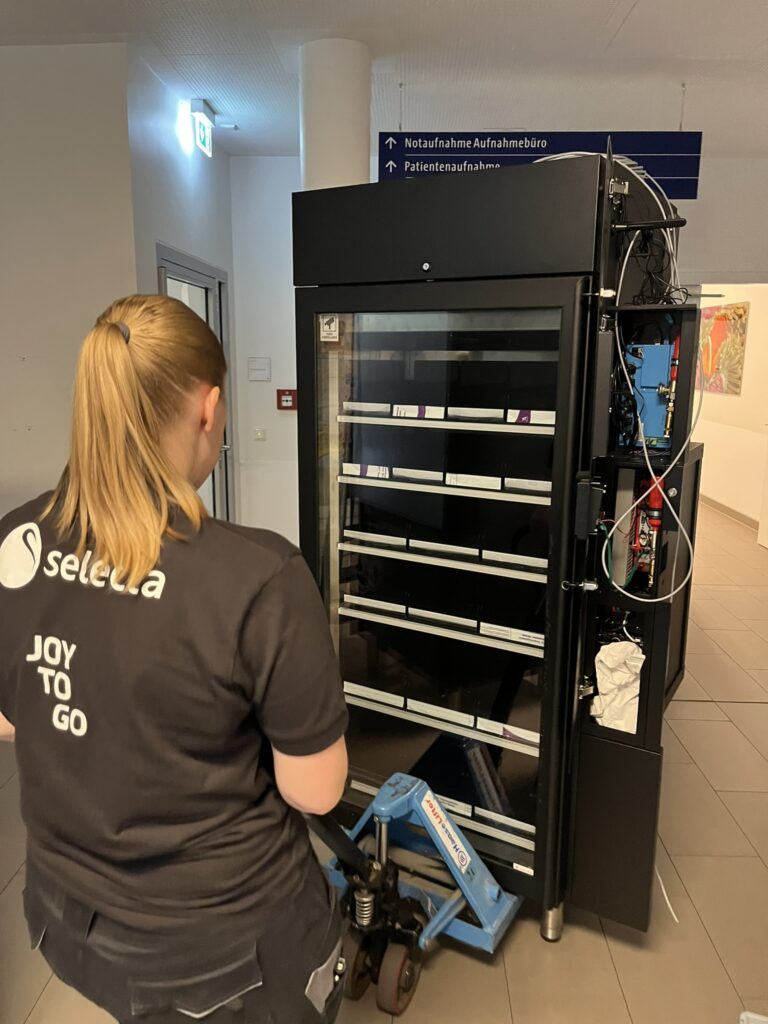
AMFE Multialert

“Electrical cabinets that pose a fire risk are not a major concern in terms of the extent of damage if fire-suppression systems are installed as a preventive measure.

Dr.-Ing. J. Heyn
“Electrical cabinets that pose a fire risk are not a major concern in terms of the extent of damage if fire-suppression systems are installed as a preventive measure.

Dr.-Ing. J. Heyn
PROJEKTZUSAMMENFASSUNG

Germany
private
Building service applications
R-AMFE (57°C und 68°C)
Endkunde
Dr.-Ing. J. Heyn
You can find out more about the AMFE on the product page.

Go to AMFE

Kontakt

Markus Fiebig JOB Group
If you have any questions about possible applications or technical details regarding the AMFE mini fire extinguisher, please contact Nico Kühn.
Post
markus.fiebig@job-group.com

Das könnte Sie auch interessieren: